Captain Trey Croft
Rising Son Expeditions · Santa Rosa Beach, FL
Santa Rosa Beach sits at the heart of one of the most productive inshore fisheries in the Gulf of Mexico. Choctawhatchee Bay — the large estuarine bay that runs behind the 30A beach communities — is home to redfish, speckled trout, flounder, sheepshead, Spanish mackerel, pompano, and more. I've been fishing these waters for over 40 years, and they never get old.
Whether you're a visiting angler who wants to fish on your own, or someone considering a guided charter, this guide covers everything you need to know about fishing in Santa Rosa Beach, Florida.
Where to Fish Near Santa Rosa Beach
The primary fishing destination near Santa Rosa Beach is Choctawhatchee Bay, a 174-square-mile estuary that stretches from Fort Walton Beach in the west to the Choctawhatchee River delta in the east. The bay is shallow — averaging 6–8 feet — with extensive grass flats, oyster bars, and tidal creeks that provide ideal habitat for inshore species.
Key areas within the bay include the grass flats near the Mid-Bay Bridge, the oyster bars along the north shore, the tidal creeks and bayous near Niceville and Bluewater Bay, and the East Pass area where the bay meets the Gulf. Each area holds different species at different times of year.
For surf fishing, the Gulf-front beaches near Grayton Beach State Park and Topsail Hill Preserve State Park offer good access to pompano, whiting, and bluefish, particularly in the fall and spring.
Target Species and Best Seasons
Choctawhatchee Bay offers year-round fishing, but the species mix and productivity vary significantly by season. Here's a breakdown of what to target and when.
| Species | Peak Season | FL Size Limit | Best Technique |
|---|---|---|---|
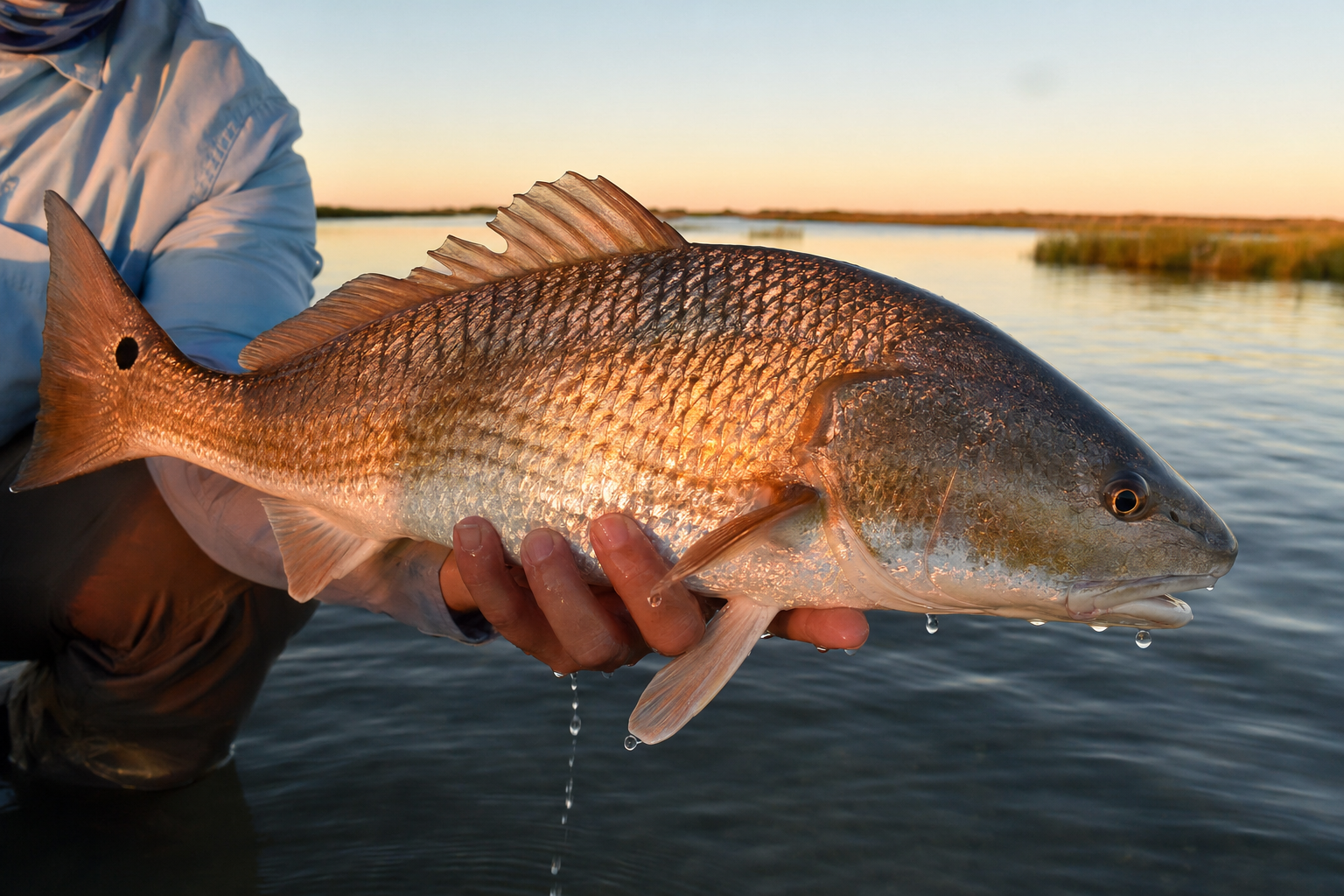
| Redfish | Year-round; best spring & fall | 18–27 inches (slot) | Live shrimp, cut mullet, gold spoons on grass flats |
| Speckled Trout | Year-round; best spring & fall | 15 inches minimum | Soft plastics, topwater plugs, live shrimp under a popping cork |
| Flounder | September–November (the Run) | 12 inches minimum | Live finger mullet, soft plastics near structure |
| Sheepshead | November–March | 10 inches minimum | Fiddler crabs, sand fleas near pilings and oyster bars |
| Spanish Mackerel | April–October | 12 inches minimum | Spoons, jigs, live bait trolled near East Pass |
| Pompano | March–May, October–November | 11 inches minimum | Sand fleas, jigs in the surf and near passes |
| Mangrove Snapper | June–September | 10 inches minimum | Live shrimp, cut bait near structure and docks |
| Black Drum | Year-round | 14 inches minimum | Shrimp, crabs near oyster bars and structure |
Size and bag limits are subject to change. Always verify current regulations at myfwc.com before fishing.
Seasonal Fishing Calendar
Spring (March–May)
Spring is one of the best times to fish Choctawhatchee Bay. As water temperatures climb from the low 60s into the mid-70s, redfish move out of their winter holding areas and onto the grass flats in large numbers. Speckled trout are aggressive and feeding heavily after the winter slowdown. Pompano arrive in the surf and near the passes in March and April.
Spring is also when the bay sees the least boat traffic, which means less pressure on the fish and more productive fishing overall. If you're visiting in March, April, or May, you're fishing at an excellent time.
Summer (June–August)
Summer fishing is excellent but requires adapting to the heat and the crowds. Early morning trips (starting at 8:00 AM) are the most productive — fish are active before the sun gets high, and you're back at the dock before the afternoon heat peaks.
Speckled trout move to deeper, cooler water during the summer heat, but they're still catchable on topwater lures in the early morning. Mangrove snapper are at their peak around docks and structure. Spanish mackerel are abundant near the East Pass and along the Gulf beaches.
Fall (September–November)
Fall is arguably the best fishing season on Choctawhatchee Bay. The Flounder Run — when flounder migrate from the bay to the Gulf to spawn — typically begins in late September and peaks in October. During the run, flounder stack up near the East Pass and other bay-to-Gulf connections in numbers that have to be seen to be believed.
Redfish are also at their most aggressive in the fall, feeding heavily before winter. Speckled trout return to the shallow flats as water temperatures cool. If you can only visit once a year for fishing, fall is the time to come.
Winter (December–February)
Winter fishing on Choctawhatchee Bay is underrated. Sheepshead — one of the most challenging and rewarding inshore species — are at their peak from November through March, congregating around pilings, docks, and oyster bars. Trophy speckled trout (fish over 20 inches) are most commonly caught in the winter months.
Cold fronts can shut down fishing for a day or two, but the windows between fronts often produce excellent action. Winter is also the least crowded time on the water, and rates are typically lower.
Florida Fishing Regulations
Florida fishing regulations are managed by the Florida Fish and Wildlife Conservation Commission (FWC). Key things to know for fishing in Santa Rosa Beach:
- Fishing license: Required for all anglers 16 and older fishing in Florida waters. Available online at myfwc.com or at most bait and tackle shops.
- Charter guests: Guests on a licensed charter boat are covered by the captain's license — no individual license required.
- Bag limits: Vary by species. Redfish is 1 per person per day within the slot (18–27 inches). Speckled trout is 5 per person per day (15 inches minimum).
- Closed seasons: Some species have closed seasons. Flounder has a closed season in October in Florida (exact dates vary — check FWC). Always verify current regulations before fishing.
Regulations change. Always check myfwc.com for the most current rules before your trip.
Fishing on Your Own vs. Hiring a Guide
If you have your own boat and know the bay, fishing on your own is obviously an option. But for visitors, hiring a local guide offers significant advantages: local knowledge of where fish are holding on any given day, all gear and bait provided, the fishing license covered, and the ability to focus on fishing rather than navigation and logistics.
A guided charter also dramatically increases your catch rate. I know every grass flat, oyster bar, and tidal creek on Choctawhatchee Bay, and I know which ones are holding fish on any given day based on tide, wind, water temperature, and season. That knowledge is hard to replicate on a first visit.
Book a Guided Charter with Captain Trey
2-hour trips from $500 for up to 4 guests. All gear, bait, and fishing license included. Multiple daily departures.
Bait and Tackle Near Santa Rosa Beach
If you're fishing on your own, several bait and tackle shops in the area carry live bait, tackle, and fishing licenses. Bass Pro Shops in Destin is the largest option with the widest selection. Smaller local shops near the bay include Salty Angler in Niceville and several bait shops near the Fort Walton Beach area.
For live bait, finger mullet and live shrimp are the most versatile options for inshore fishing on Choctawhatchee Bay. Fiddler crabs are essential for sheepshead. Most bait shops can advise on what's working on any given day.
Get Fishing Tips & Trip Reports
Join Captain Trey's list for seasonal fishing reports, species guides, and exclusive trip tips — straight from Choctawhatchee Bay.
No spam. Unsubscribe anytime. We respect your privacy.